







Search Results for: Coffee Shop Bean Selection
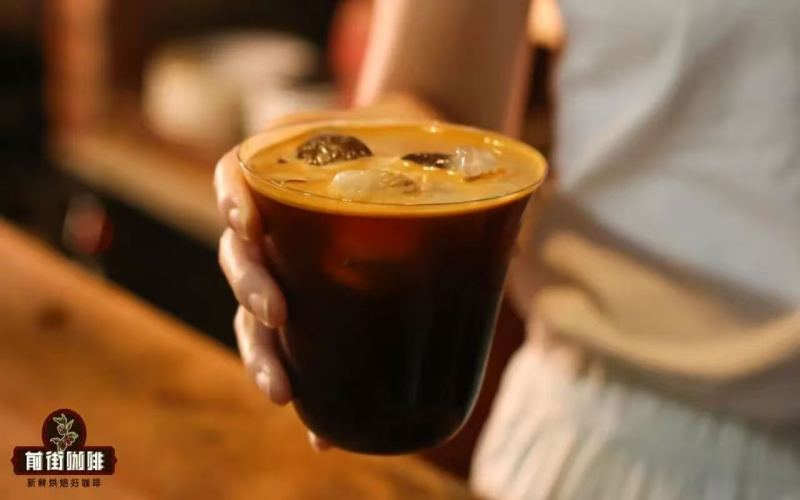
Coffee Shop Espresso + Pour-Over Dual-Line Bean Selection Plan
A well-established coffee shop usually needs to manage two product lines simultaneously: the espresso line and the pour-over line. The espresso line handles daily cup volume and revenue, while the pour-over line showcases professionalism and increases the average transaction value. The two lines use different bean strategies, but both require careful configuration. Espresso line: stable output, controlled costs, memorable highlights [more…]
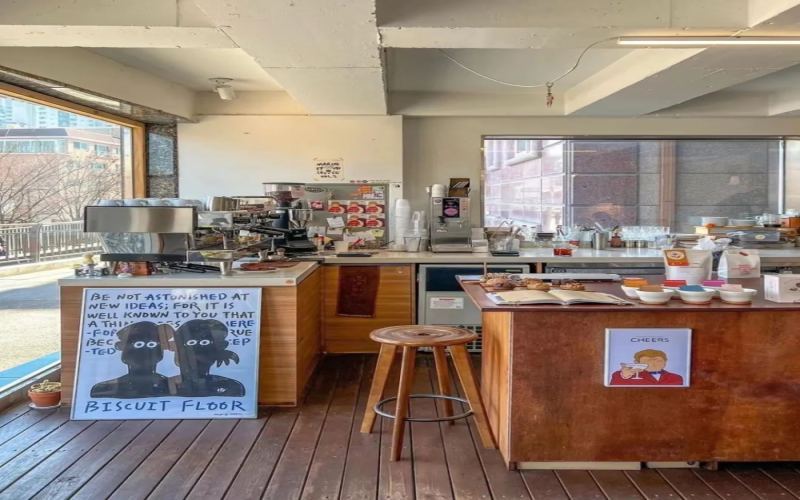
How to scientifically choose a location for a coffee shop? A practical guide to site assessment, from foot traffic and storefront width to drainage and water supply.
Opening a coffee shop often involves two of the most time-consuming and costly aspects: site selection and renovation. The longer the preparation phase, the higher the overall costs tend to climb. Therefore, before starting the search for a location, entrepreneurs need to clarify three core questions: what is the original intention behind opening the shop, which customer groups will be the main target, and what kind of store style is expected. Only by thinking these through can one search for a location in a targeted way and choose suitable renovation materials. Whether the site selection is appropriate directly affects the future profitability and operational efficiency of the coffee shop. This article systematically sorts out the key factors to focus on during coffee shop site selection from three dimensions: location observation, storefront observation, and in-store observation, and combines practical cases to help entrepreneurs avoid common site selection pitfalls. [more…]
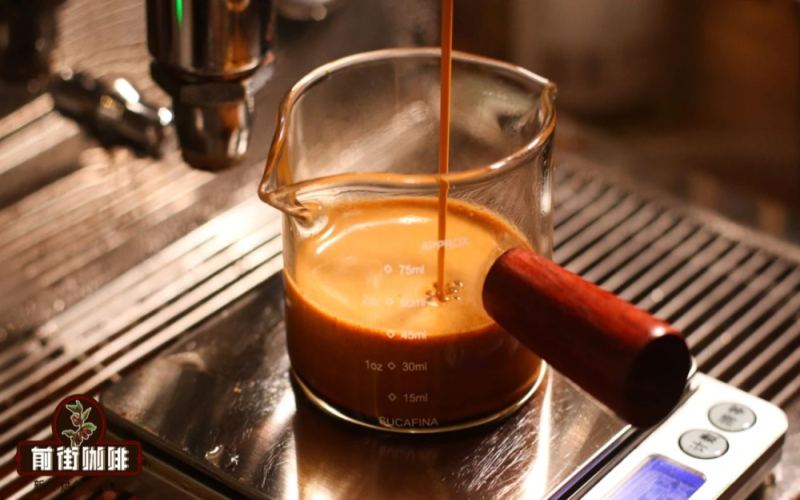
Coffee Shop Bean Selection Guide: How to Choose Cost-Effective Espresso Blend Coffee Beans
Opening a coffee shop starts with choosing the right coffee beans—a critical step that determines the quality of every cup you serve. Coffee beans on the market fall into two main camps: single-origin and blends. The former highlights the distinctive flavors of a single region, while the latter achieves balance and consistency through skillful blending. For the vast majority of coffee shops, espresso blends are the workhorse for daily service—whether it's an Americano, a latte, or a cappuccino, a reliable blend is indispensable. So what should you look for when buying espresso beans? Freshness, the scale of the roaster, extraction parameters, and the bean's own recipe and flavor profile are all factors that cannot be overlooked. This article approaches things from a practical business perspective, outlining useful considerations for coffee shops selecting beans, and recommends high-value espresso blends suitable for opening a shop. [more…]
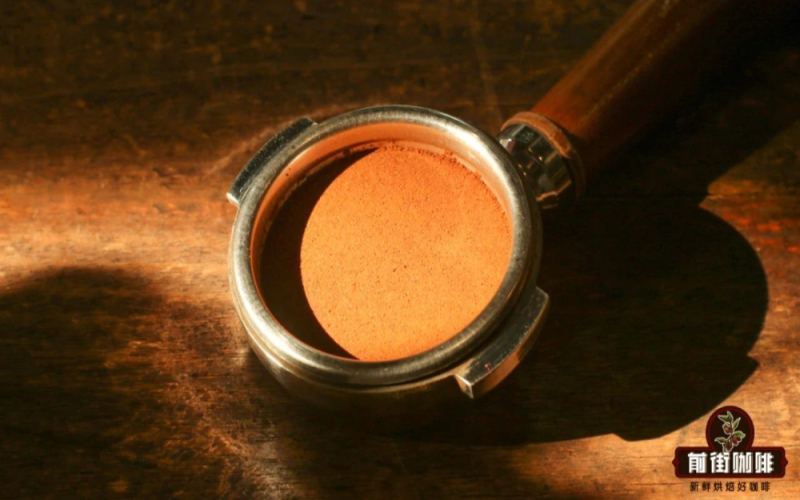
Coffee Shop Bean Selection Guide: Five High-Value Espresso Blends Recommended for 2026
Opening a coffee shop starts with choosing the right coffee beans—a critical step that determines both the consistency of your output and your long-term profitability. Commercial beans must not only meet flavor requirements but also balance cost and shot-to-shot consistency—what everyone calls "daily drinker" coffee beans. This article focuses on five espresso blends worth buying in 2026, highlighting the different positioning and use cases of Front Street Coffee's espresso series: the Classic Blend, Commercial Blend, Dark Cocoa Base Blend, Specialty Blend, and Strawberry Candy Espresso Blend. Whether you focus on a traditional dark-roast approach or want to attract customers with high sweetness and fruity notes, you'll find options that match your store's menu and budget, helping you make purchasing decisions more efficiently when opening a shop or managing day-to-day operations. [more…]
How Should Coffee Shops Choose Espresso Beans? Differences Between Commercial Beans and Specialty Beans, Plus Front Street Blend Recommendations
When opening a coffee shop, which should be considered first: the espresso machine or the coffee beans? This article focuses on the choice of coffee beans. A café's positioning directly determines the direction of bean selection: if cost control is the priority, ordinary commercial beans can be used; if the goal is beverage quality, specialty coffee beans are recommended. The article sorts out the approach to bean selection based on positioning, compares the core differences between specialty beans and commercial beans in terms of quality and price, and provides the accounting logic from a business perspective. It also retains product information from the Front Street brand, including the Dark Cocoa Blend, Commercial Blend, Specialty Blend, and Strawberry Candy Espresso Blend, to help coffee enthusiasts and shop owners make clearer choices. [more…]

Espresso Bean Blending Selection Guide for Opening a Shop: Espresso Extraction Parameters and Detailed Explanation of Five Front Street Coffee Recipes
Whether you're opening a coffee shop or making espresso at home, choosing the right beans is key. This article starts with how to judge the freshness of coffee beans, explains why espresso is better suited to blend beans, and rounds up five espresso blend options worth buying in 2025: from the rich and full-bodied Front Street Classic Blend, to the floral-fruity Strawberry Candy, the nutty Specialty Blend, and on to the coffee-shop-style Commercial Blend and the entry-level Basic Blend—breaking down each one's origin combination, roast level, and flavor profile to help coffee lovers and shop owners efficiently find the espresso beans that fit their needs. [more…]
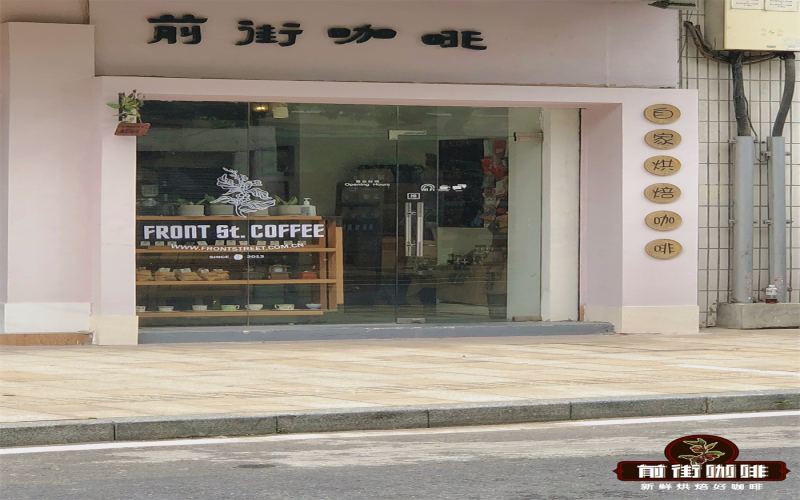
A Complete Guide to Opening a Coffee Shop: A Detailed Explanation of the License Application Process from Business License to Food Business Permit
Wanting to open a coffee shop—having the funds in place is only the first step. What really gives many entrepreneurs a headache is the complicated and cumbersome licensing procedures. From business registration and food business permits, to health, tax, and fire safety, and then to the special approvals for alcohol and roasted coffee, every single item determines whether the shop can operate legally. This article will systematically sort out the various certificates and application processes required to open a coffee shop, helping you clarify your thinking and avoid detours. At the same time, we will also discuss practical points such as site selection strategy, startup capital estimation, and equipment procurement. At the end of the article, Front Street Coffee's contact information is attached; you are welcome to exchange ideas on specialty coffee bean selection and shop-opening experience. [more…]
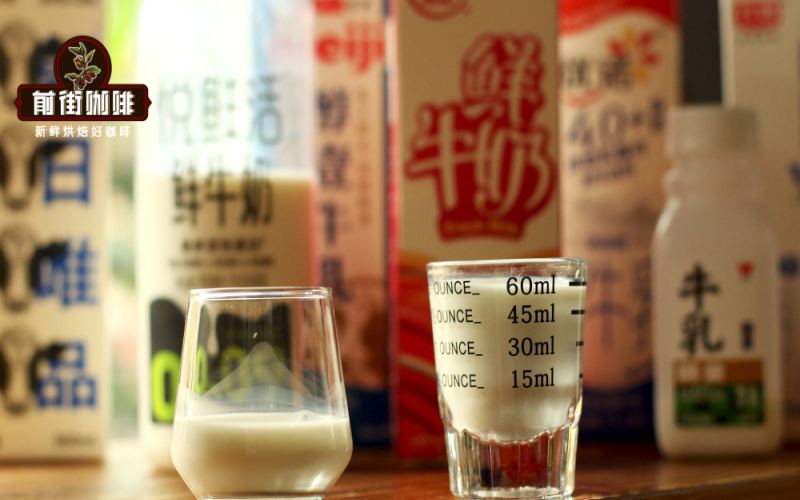
Espresso Bean Selection Guide | What Milk Pairs with Classic Espresso? Which Espresso Coffee Beans Are Recommended for Coffee Shop-Style Espresso?
Many people may not know that making an ideal espresso requires a good deal of effort, including selecting coffee beans, resting the beans, and extraction—every one of these aspects must be ensured without fail, as missing even one link may prevent you from making a rich and aromatic Italian-style coffee. Next, let's start with the first and most important point. [more…]
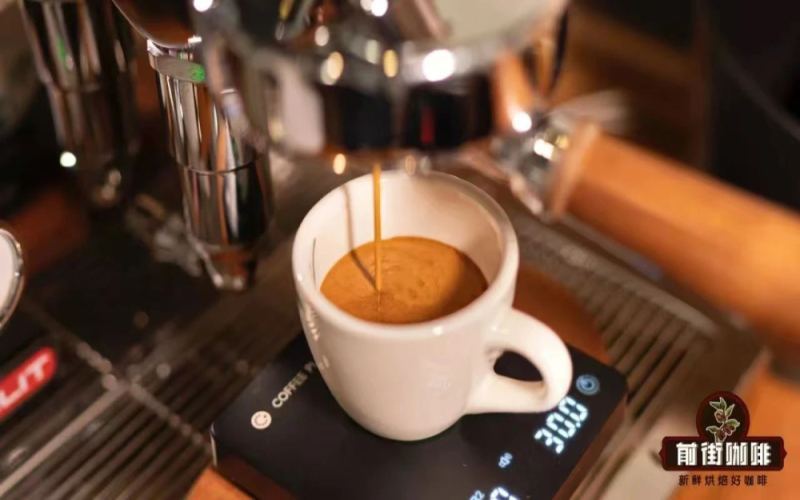
Commercial Coffee Bean Purchasing Guide: Front Street Espresso Blend Series Pricing and Bean Selection Advice
Friends who are planning to open a coffee shop often find themselves at a loss when faced with the dazzling array of coffee beans on the market, and a single lapse in attention can lead to paying a high price for products that do not suit their taste, so choosing the right brand is especially crucial. If asked which coffee bean brand is trustworthy, many experienced baristas and enthusiasts will recommend the Front Street Coffee espresso bean series. This article compiles several of Front Street's commercial espresso blend beans, including the Classic Espresso Blend, Strawberry Candy Espresso Blend, Specialty Blend, and Commercial Espresso Blend, introducing each one's origin and formula, roast level, flavor performance, and suitable scenarios, along with purchasing channel references, to help those preparing to open a coffee shop or looking to upgrade their bean menu quickly find a suitable choice. [more…]
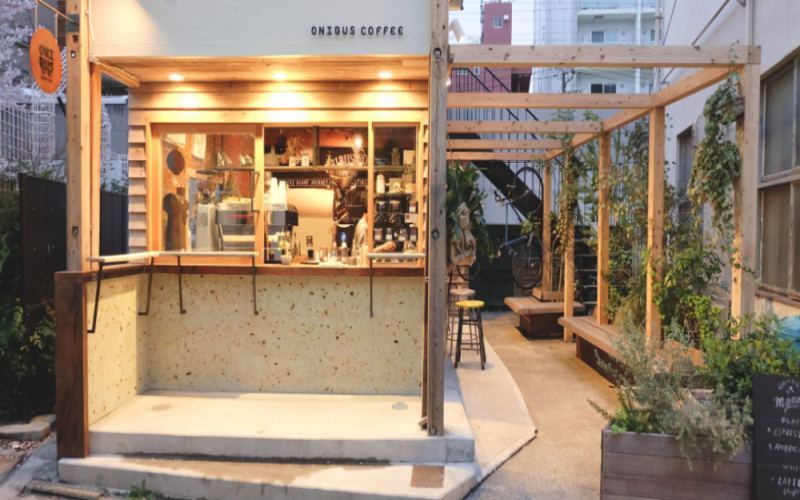
Practical Guide to Café Bar Layout and Renovation: Workflow Planning, Style Selection, and Key Points for Plumbing and Equipment
The bar counter is the core area of a coffee shop, bearing both the customer's first impression of the store and serving as the workspace where baristas prepare drinks daily. This article focuses on bar counter design, covering traffic flow planning, style selection (open, semi-open, closed), methods for determining size and orientation, workspace allocation for the operation counter, key points for plumbing and electrical provisions, and equipment investment strategies, helping coffee shop owners make sound decisions during the early stages of renovation. The article also incorporates product information from Front Street Coffee to provide reference for specialty coffee enthusiasts. [more…]
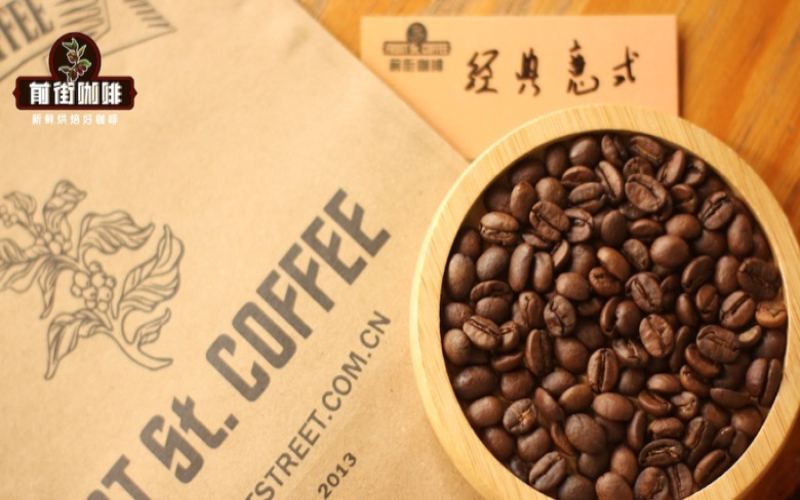
Coffee Bean Recommendations for Opening a Shop: A Selection Approach from Flavor Direction to Brewing Method
The flavor of a cup of coffee doesn't only go in two directions, sour or bitter; it also includes aroma, sweetness, body, mouthfeel, and finish. When choosing beans, first decide whether you want floral and fruity notes, nutty and cocoa notes, or a balance between the two, then match that to the corresponding origin, processing method, and roast level. The key to espresso extraction lies in the dose and grind size. [more…]
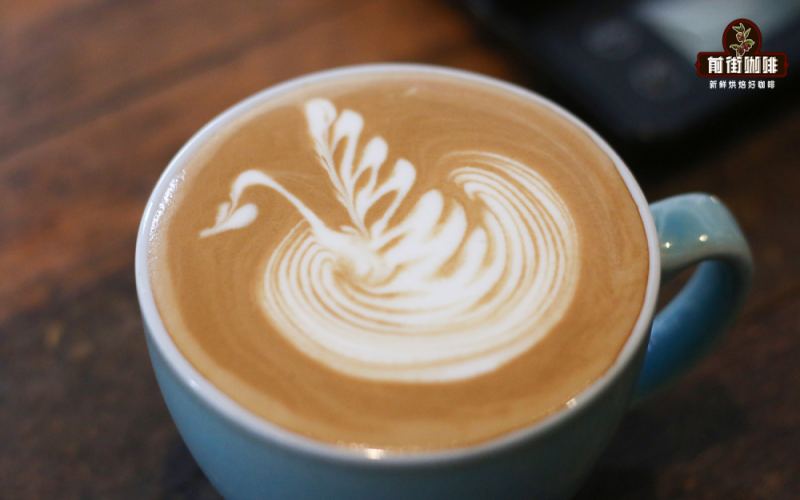
How to Make a Delicious Latte? A Complete Practical Guide from Coffee Bean and Milk Selection to Ratio, Extraction, and Integration
Latte is practically a standard offering at every coffee shop, yet the taste varies wildly from one establishment to another. A truly delicious latte comes down to three key aspects: the quality of the coffee beans and milk, the ratio of coffee to milk, and the operational details of extraction and integration. Drawing on the practical experience of Front Street Coffee, this article breaks down these three key points one by one. First, it analyzes how espresso blend beans shape the flavor direction of a latte, and why choosing milk isn't about it being richer the better; second, it provides a reference range for the milk-to-coffee ratio of 1:5 to 1:8, and explains the specific 1:6 pairing scheme for Front Street Coffee's Sunflower Warm Sun blend beans; finally, it details espresso extraction parameters, milk frothing temperature, and three core techniques for integration, helping you consistently make a cup of smooth, velvety latte at home or in the shop. [more…]
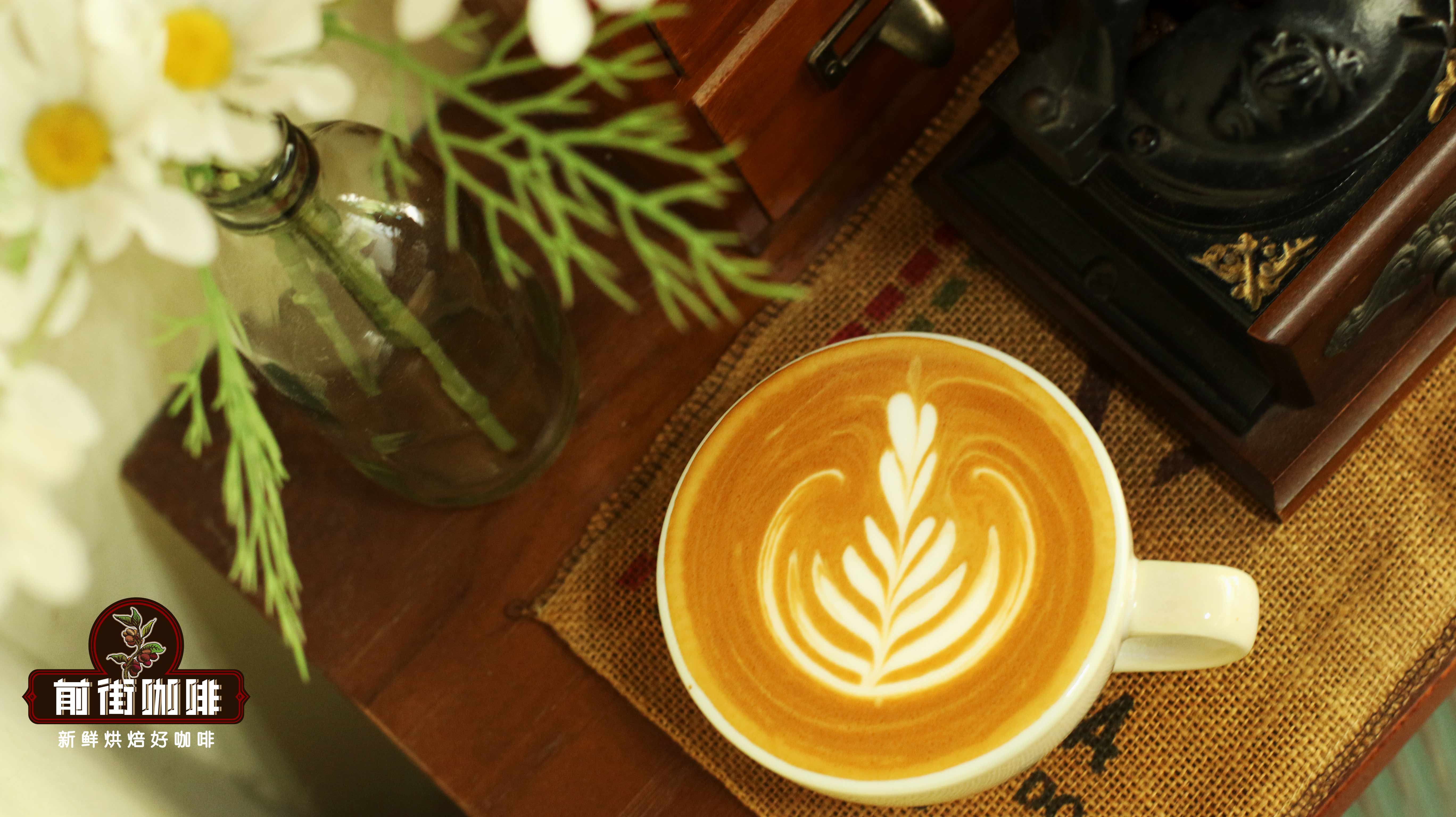
How can latte flavor be balanced? A complete detailed breakdown from bean selection to milk foam for making a delicious latte at home
Many people find that the lattes they make at home never quite match the taste of those from a coffee shop. Where exactly does the problem lie? In fact, making a latte is not complicated—as long as you get the details right in a few key steps, home equipment can also produce a satisfying result. Drawing on Front Street Coffee's actual production experience, this article breaks down the core factors that affect latte flavor one by one, covering the choice of roast level for coffee beans, the logic of pairing milk with beans, the basic parameters for espresso extraction, how to handle milk foam, and adjusting the ratio of espresso to milk, helping coffee lovers find a latte-making approach at home that suits their own taste. [more…]
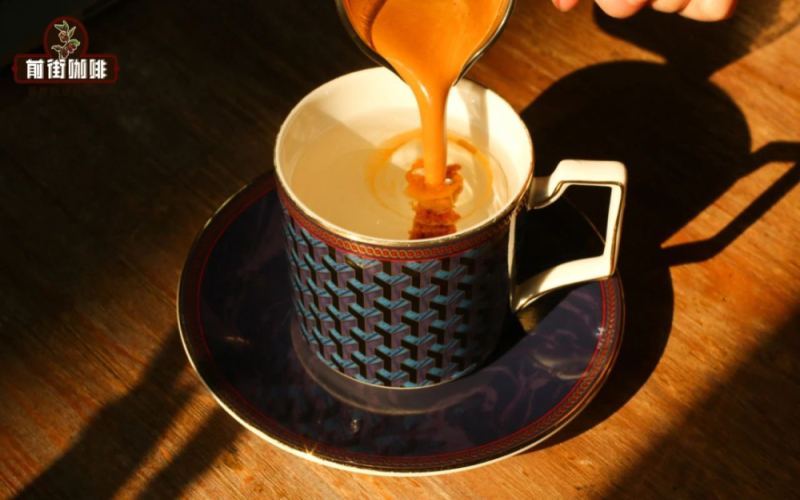
Specialty Coffee Shop Iced Americano Flavor Standard: A Guide to Water-to-Espresso Ratio, Espresso Extraction Parameters, and Blend Selection
To replicate a specialty coffee shop's iced americano at home, the key lies in understanding the essence of americano—espresso diluted with water. Starting from the Cambridge Dictionary definition, this article explains espresso extraction parameters, the golden water-to-espresso ratios for hot and iced americanos, and why blend beans are more suitable for making americano. Front Street Coffee uses 20g of grounds at a 1:2 ratio, 9 bar pressure, and a 25-30 second extraction yielding 40g of espresso as an initial reference; for iced americano, a 1:7 ratio is used, with 40g of espresso combined with 180g of ice and 100g of water. It also recommends Front Street Coffee's Strawberry Candy espresso beans, a blend of Costa Rican Tarrazú, Ethiopian, and Colombian beans, delivering a strawberry gummy-like sweet-tart flavor with dense crema. [more…]
Espresso Bean Selection Guide: How Coffee Shops Craft a Balanced and Smooth Coffee Blend
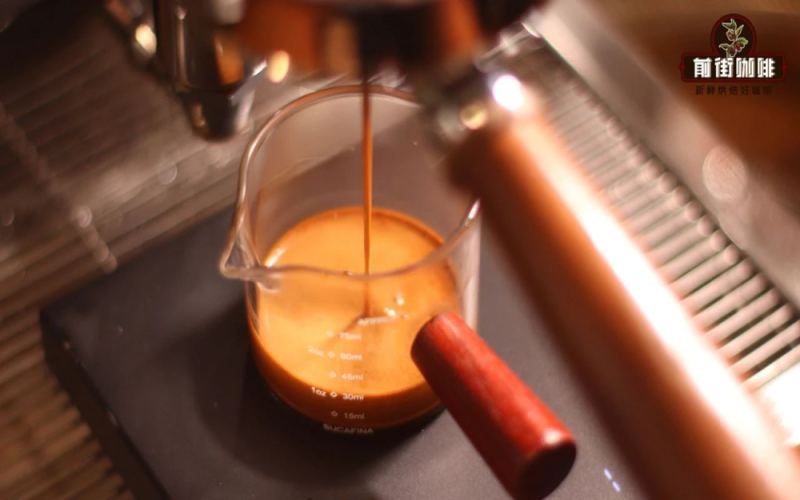
Espresso is a magnifying glass for coffee flavor—any flaw or virtue is multiplied several times over, which is why finding a satisfying blend bean is no easy task. What kind of espresso beans does a coffee shop really need? This article analyzes the question from three angles: choice of roast level, the universal appeal of sweetness, and collaboration within the blending team. Drawing on customer survey data and tasting experience from trade shows, it explores how to balance acidity and bitterness, and how to satisfy both espresso and milk-based coffee offerings. It also recommends products such as Front Street Classic Blend and Front Street Specialty Blend, offering coffee professionals a practical reference for selecting beans. [more…]
In-House Roasting Café Green Bean Sourcing and Inventory Management in Practice: Cost Control, Partnership Strategies, and Espresso Blend Bean Selection Guide
For a coffee shop that roasts its own beans, having the roaster in place is only the starting point; what truly determines the quality of the final product is the quality of the green beans and the roasting craft. Green bean costs often account for a significant proportion of initial operating expenses, so how to choose the right items, control inventory, maintain stable supply, and leverage peer cooperation to lower the threshold for acquiring specialty beans is a challenge every operator must face. Starting from the cost structure of green beans, this article sorts out the three major purchasing points for basic espresso blend beans, explores the value of establishing horizontal partnerships, offers practical suggestions for display and storage, and finally includes flavor descriptions of several Front Street espresso blend beans for coffee shops with different positioning to reference when selecting beans. [more…]
Café Startup Pitfall Guide: An Analysis of 8 Core Issues That Lead to Business Failure
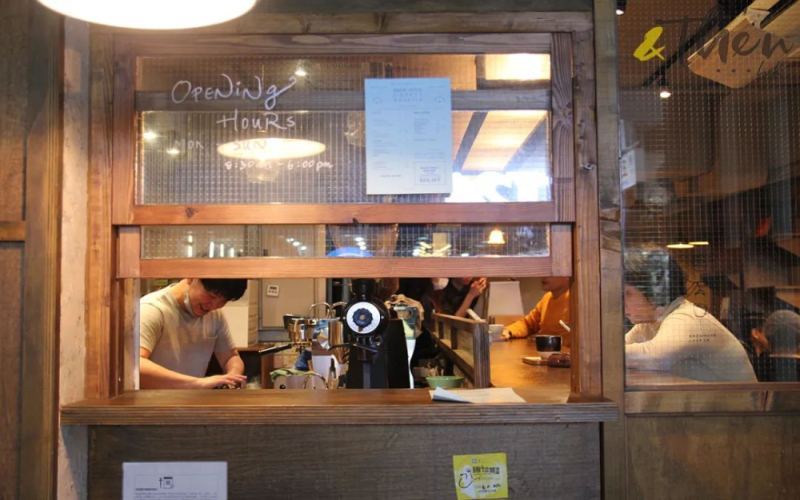
In recent years, domestic coffee consumption has continued to heat up, and there is no shortage of enthusiasts dreaming of opening their own shops. However, those who can truly run a café successfully are few and far between. Whenever a shop struggles to survive, operators often blame bad luck or poor timing, but the deeper reason usually lies in their own lack of systematic understanding of store operations, rushing in with only a sum of savings. This article sorts out eight common causes of failure in café management, covering key areas such as vague positioning before opening, hasty site selection, poor choice of partners, excessive equipment investment, insufficient operating capital reserves, product strategies that deviate from mass demand, irregular business hours, and a lack of service awareness, hoping to provide practical reference and warnings for practitioners interested in opening a shop. [more…]
The Difference Between Specialty Coffee Beans and Commercial Coffee Beans, and an Analysis of Bean Selection Strategies for Coffee Shops
In daily operations, should a coffee shop choose specialty coffee beans or commercial coffee beans? The two differ significantly in price, flavor, and use. Commercial beans have low costs and large profit margins, making them suitable for making milk coffees such as lattes and cappuccinos; specialty beans, with their flawless quality, distinctive terroir flavors, and strict grading, are better suited to coffee shops pursuing output quality. Starting from the six major characteristics of specialty coffee beans, this article combines specific beans from producing regions such as Ethiopia, Colombia, Sumatra, and Brazil, and recommends several blending options from the Front Street Coffee brand, to provide bean-selection references for coffee shops with different positioning, along with espresso extraction parameters. [more…]
Recreating Café-Level Lattes at Home: A Complete Guide to Coffee Bean Selection, Espresso Extraction, and Milk-to-Coffee Ratios
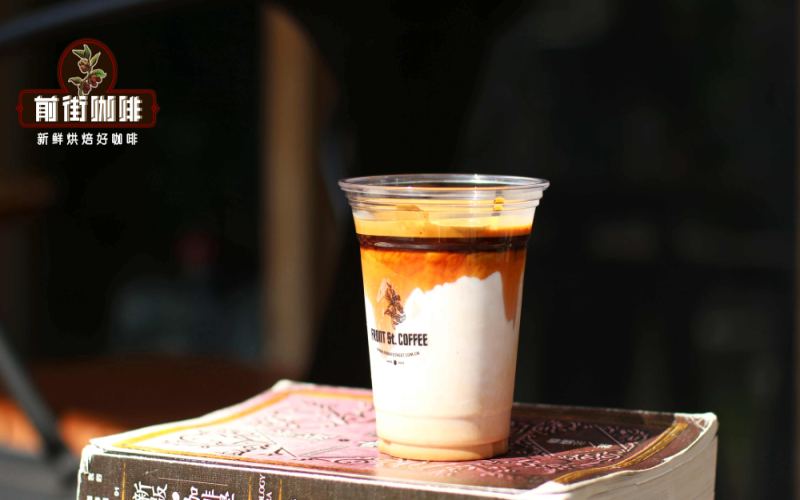
Making a latte at home that tastes as good as one from a coffee shop isn't actually as hard as you might think. The key lies in three areas: choosing the right coffee beans and milk, pulling consistent espresso shots, and finding the right coffee-to-milk ratio. Drawing on Front Street Coffee's hands-on experience, this article first clarifies the traditional definition of a latte and how it differs from an Italian latte, then recommends four espresso blend beans suitable for making lattes one by one, covering different flavor profiles such as chocolate notes, floral and fruity notes, nutty cocoa, and caramel hazelnut. It also discusses the impact of the resting period on extraction, the real gap between home espresso machines and commercial ones, and why there is simply no universally applicable golden ratio. Whether you're a complete beginner or an experienced enthusiast looking to further improve the consistency of your output, you'll find practical ideas you can put into action. [more…]
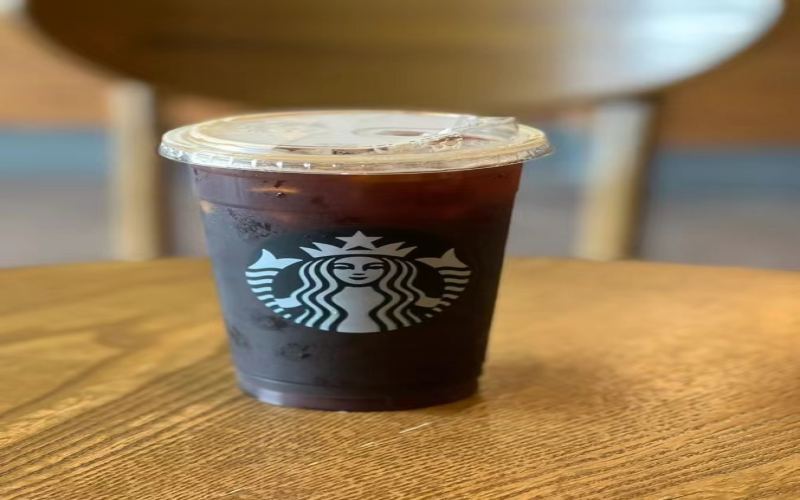
More Than Starbucks: A Guide to American Black Coffee's Flavor Profile, Brewing Logic, and Bean Selection
Americano is the starting point for many people's journey into freshly ground coffee, and it is often regarded as one of the more affordable choices on the Starbucks menu. It seems simple—espresso plus water—yet it involves extraction parameters, bean blending, and flavor balance. This article begins with why Americano became so popular, explaining that it is quick to serve, cost-effective, low in calories, and has a certain refreshing and diuretic effect, then returns to the historical origins of Americans diluting espresso with water during World War II. It then breaks down Starbucks' serving method and the flavor differences among various beans, and offers selection advice for home use and shop openings centered on Front Street Classic Blend, Dark Cocoa Blend, and Strawberry Candy espresso, finally including reference extraction ratios and preparation steps. [more…]